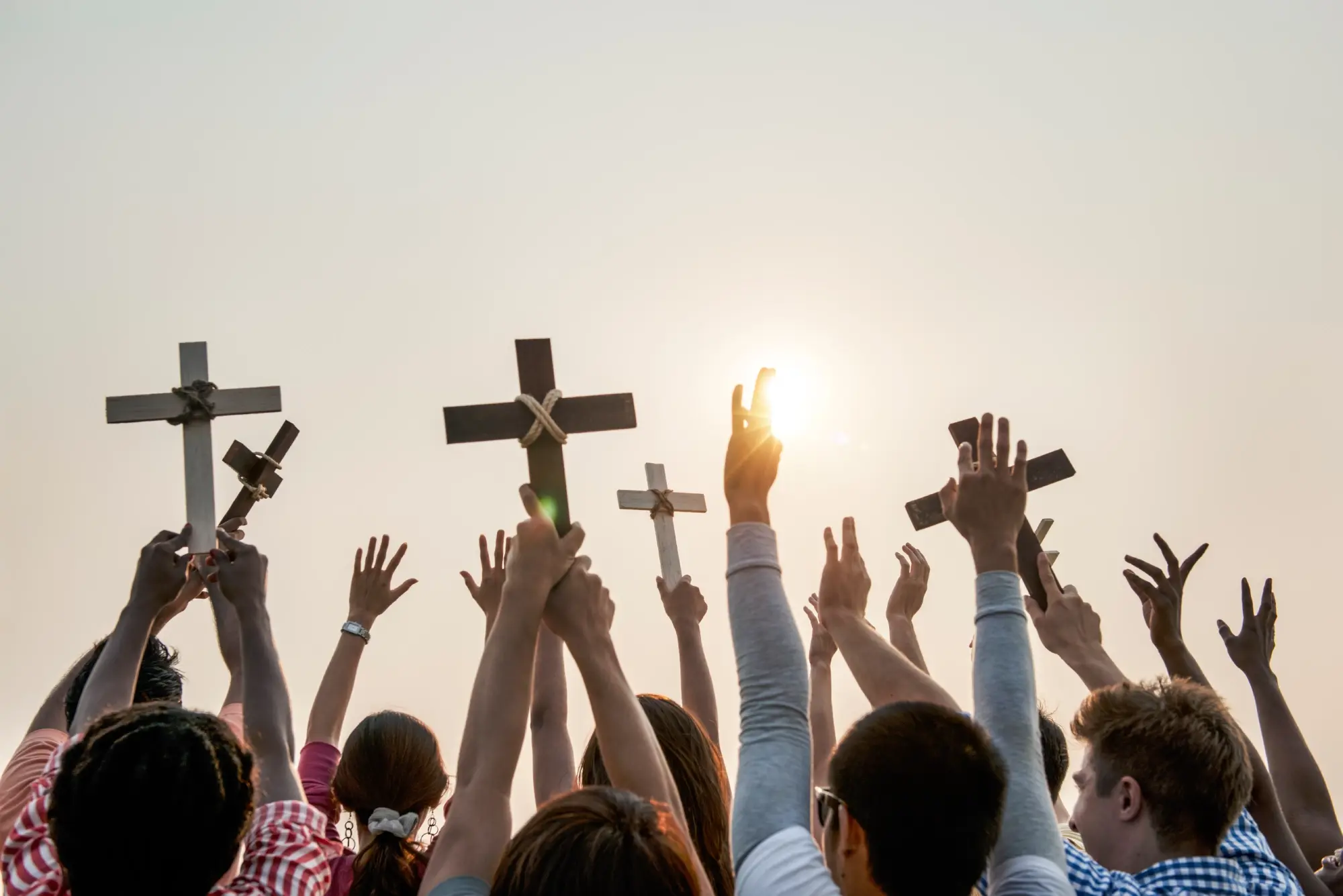
What happens during Good Friday in Malta as a student
Good Friday in Malta is quiet. Almost unusually quiet. Shops close early. Conversations soften.
You’ll see processions across towns like Valletta and Żebbuġ. Statues carried through narrow streets. People dressed as biblical figures.
No one rushes. That’s the point.
Good Friday traditions in Malta:
Walk alongside processions respectfully
Visit churches hosting exhibitions
Observe without needing to participate
Tip: Wear comfortable shoes. You’ll walk more than expected.
The Good Friday procession experience
Good Friday for international students in Malta means choosing which procession to attend. Nearly every village hosts one, but some stand out.
Top processions worth experiencing:
| Location |
Time |
What Makes It Special |
| Valletta |
14:00 and evening |
Largest, most formal, historic statues |
| Mosta |
Evening |
Massive participation, spectacular statues |
| Żebbuġ |
Afternoon |
Oldest wooden statues on the island |
| Birgu (Vittoriosa) |
Evening |
Atmospheric old streets, candlelit |
| Qormi |
Multiple times |
Traditional, strong local involvement |
Processions feature life-sized statues depicting Christ's passion, carried by volunteers (often your classmates' fathers or brothers). Brass bands play funeral marches. The atmosphere gets solemn, genuinely moving, even if you're not religious.
Dress respectfully.
Arrive early for good viewing spots.
Silence your phone.
These aren't performances for tourists; they're religious observances where you happen to be welcome.
Easter traditions in Malta you shouldn’t skip
There’s a reason Easter tradition in Malta stay with people long after they leave.
It’s the small things. A bakery window full of almond pastries. A grandmother explaining a ritual. Someone offering you food without asking twice.
That’s where the real story sits.
Must-see traditions:
- Figolla pastries shaped like symbols
- Easter Sunday statue runs
- Family feasts open to guests
And yes, sometimes strangers will include you. Just go with it.
Food you'll actually want to try
Celebrate Easter in Malta properly and you'll encounter foods that don't exist anywhere else.
Figolli:
Almond paste pastries shaped like hearts, fish or Easter symbols, covered in icing and topped with chocolate eggs. Every bakery makes them differently. Buy several. Compare. Your Maltese friends will have strong opinions about whose grandmother makes the best ones.
Kwarezimal:
Dense, spiced almond biscuits made only during Lent. They're filling, slightly sweet and pair perfectly with an afternoon coffee when studying between celebrations.
Qagħaq tal-Appostli:
Ring-shaped biscuits that appear in every Maltese household during Easter week.
Most supermarkets stock these from late February through Easter Monday. They disappear completely afterwards. Student tip: buy extra figolli on Easter Monday when bakeries discount them. They freeze reasonably well.
Easter traditions in Malta also include family feasts on Sunday featuring roast lamb, timpana (baked pasta), and plenty of wine. If a classmate invites you, say yes. Maltese hospitality during Easter is legendary.
Practical student survival guide for Easter weekend
Malta cultural festivals like Easter essentially shut down the island for three days. Here's how to navigate that as a student.
What closes:
- Most supermarkets (Thursday afternoon through Sunday)
- University libraries and facilities
- Buses run limited schedules
- Restaurants (many close Friday, reopen Sunday)
- Pharmacies (only emergency ones open)
What stays open:
- Some convenience stores in tourist areas
- Petrol stations (limited hours)
- Emergency medical services
- A handful of restaurants in Sliema and St. Julian's
Student preparation checklist:
- Shop by Wednesday evening: Get enough food for four days. Bread, milk, basics.
- Check bus schedules: Maltapublictransport.com posts Easter timetables in March.
- Plan your procession visits: Don't try seeing multiple villages in one night; transport gets tricky.
- Charge devices: Some villages experience brief power fluctuations during major processions (rare but happens).
- Have cash: Card machines sometimes malfunction during the long weekend.
The island basically pauses. Embrace it. This is when you really relax, explore traditions and maybe finally finish that assignment you've been avoiding.
How international students can participate
Good Friday and Easter traditions in Malta welcome participation from students who show genuine interest.
Ways to get involved:
- Join a village band club: Many welcome international members, especially if you play an instrument. Free membership for students is common.
- Volunteer as a statue carrier: Some villages accept volunteers (requires registering in advance and attending practice sessions).
- Attend parish events: Churches host various Holy Week services open to everyone.
- Help with decorations: Village communities often appreciate extra hands setting up street decorations.
- Document respectfully: Photography is generally allowed but avoid flash during processions and don't obstruct participants.
Your Maltese classmates are your best resource. Most Maltese students actively participate in their village celebrations. Ask them. They'll probably invite you along.
Easter in Malta becomes memorable when you stop treating it like a spectator event and start treating it like the community celebration it actually is.
What makes Malta's Easter unique in Europe
Good Friday and Easter in Malta stand out among European celebrations for several reasons.
Most European countries have largely secularised Easter. Malta hasn't. The religious significance remains central but mixed with cultural traditions that feel more Mediterranean than strictly Catholic.
The scale surprises people. An island of 500,000 people produces hundreds of processions, countless band performances and village-wide participation. Your taxi driver probably carries a statue. Your professor might play in a band. Your landlord's mother definitely makes figolli.
It's participatory, not performative. Villages aren't doing this for tourists. They're doing it because they've done it for centuries and plan to keep doing it.
For international students, this offers something increasingly rare: authentic cultural immersion that doesn't feel staged or commodified.
Student life at GBS Malta during festive seasons
At GBS Malta, students don't just study, they immerse themselves in the rich traditions and vibrant festivals that make Malta truly unique. From local feasts to national celebrations, GBS Malta students embrace it all as part of their experience on the island.
During Easter, student life doesn't pause. It expands.
From 30th March to 6th April, students enjoy a well-earned break to soak in Malta's iconic Good Friday and Easter traditions from the solemn Good Friday processions to the joyful Easter celebrations that bring communities together across the island.
You'll often find:
- Students exploring festive events together
- Faculty encouraging cultural participation
- Peer groups sharing local insights and discovering traditions side by side
What makes it different:
- Learning goes beyond the classroom
- Cultural exposure is woven into the journey
- Shared experiences help you build lasting friendships faster
Turn your Malta experience into something bigger
Good Friday and Easter in Malta might start as a cultural experience. But for many students, it becomes the moment they realise they have chosen the right place to study.
At GBS Malta, your learning doesn’t stop at lectures. It lives on in the streets, communities and moments you experience every day.
Apply now.
Frequently asked questions